

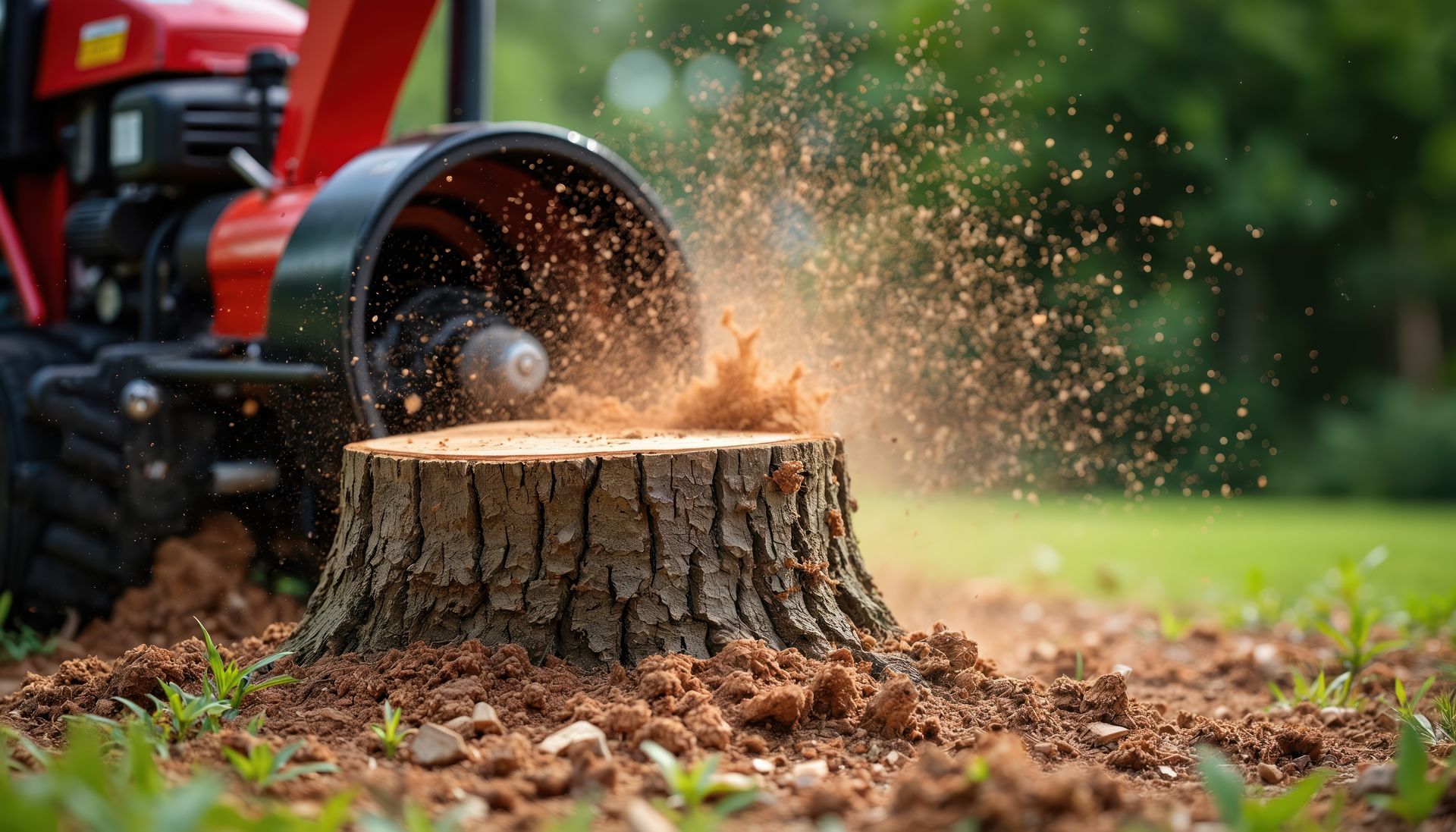
Thinking about DIY stump grinding in San Diego? Learn which stump removal mistakes to avoid, from hidden utility lines to shallow grinding and cleanup
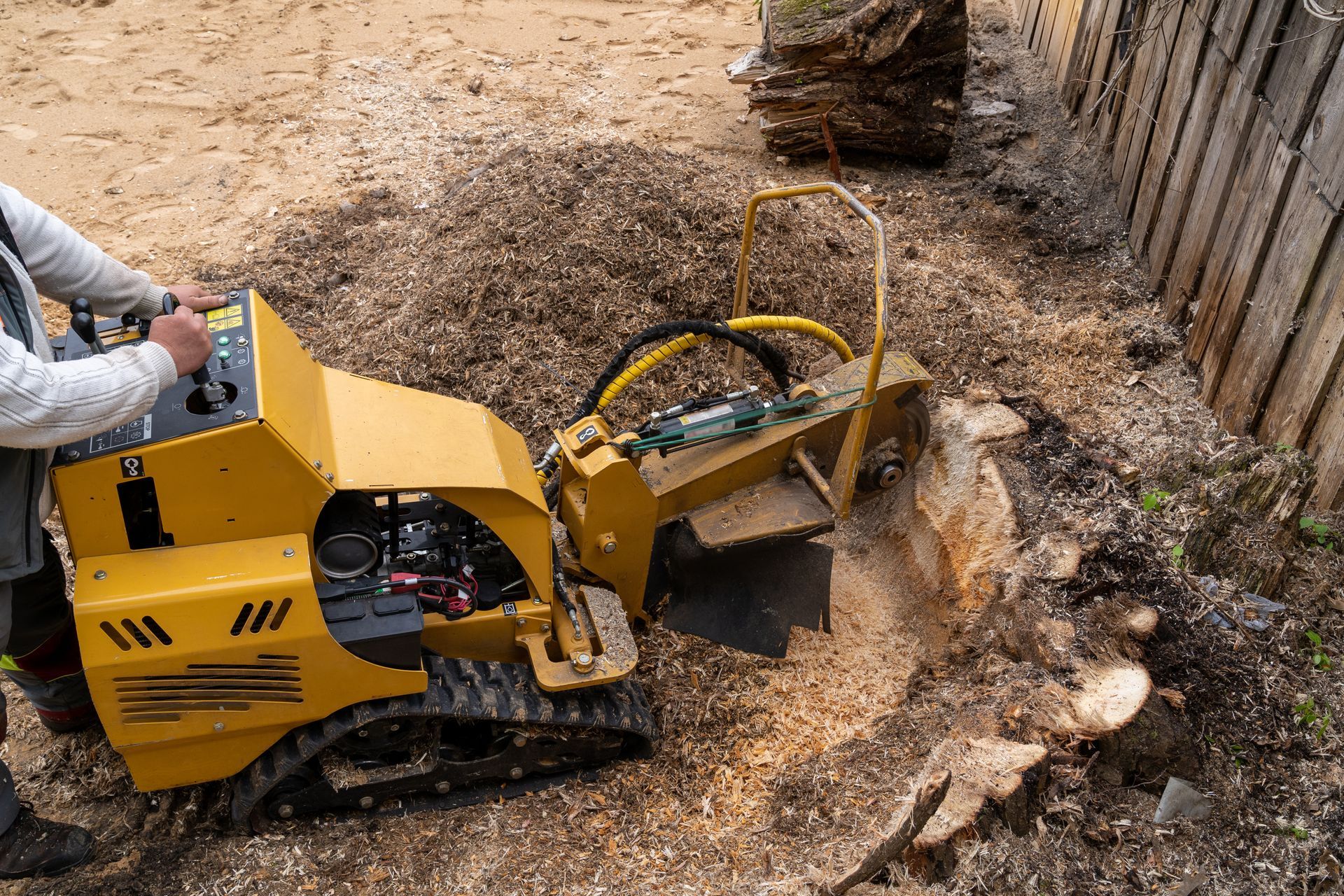
Learn how stump grinding improves safety and efficiency for commercial properties and HOAs. A practical addition to any property maintenance plan.
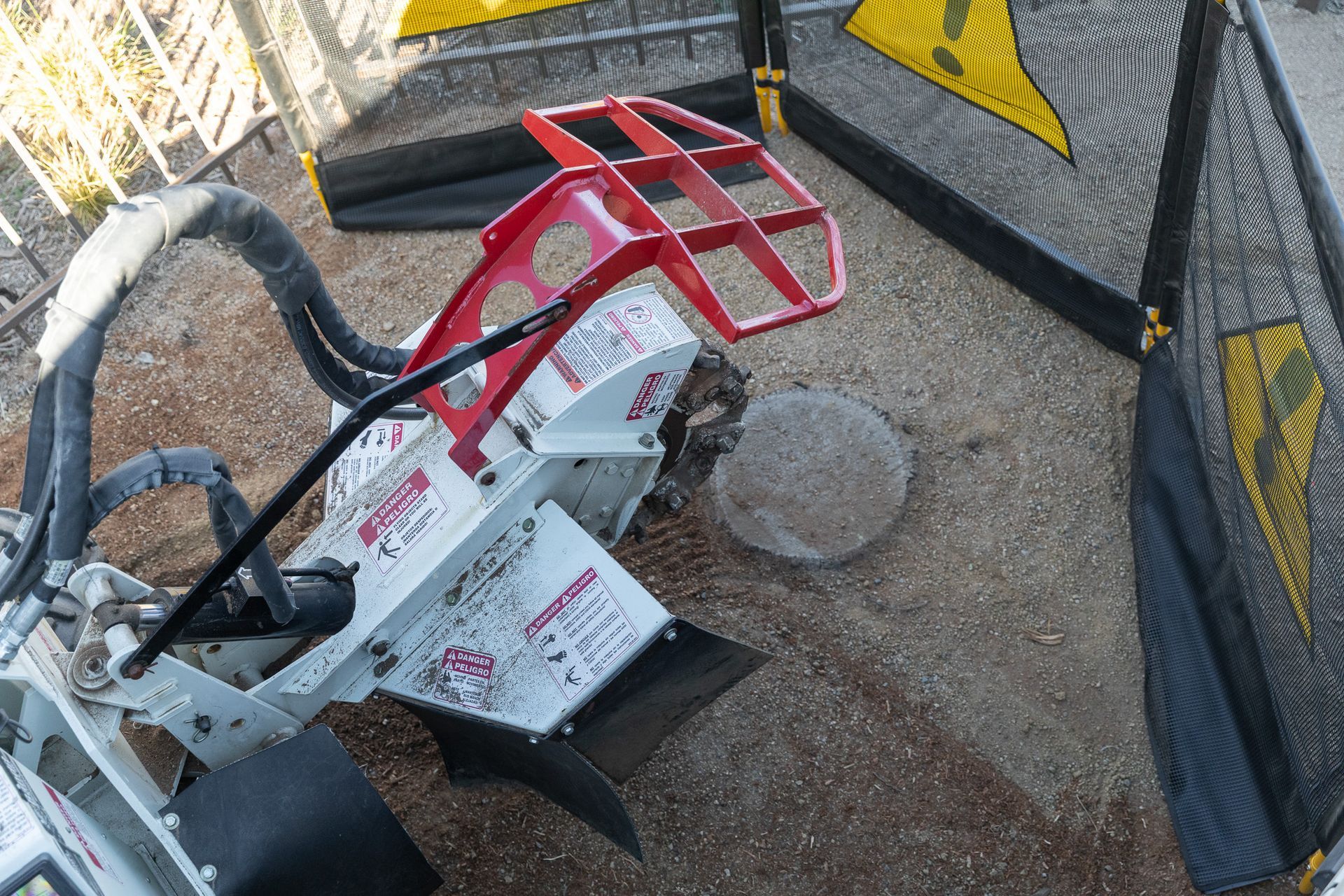
Learn essential tree stump safety tips, including utility checks, protective gear, and safe removal practices. Protect your property and avoid injuries.
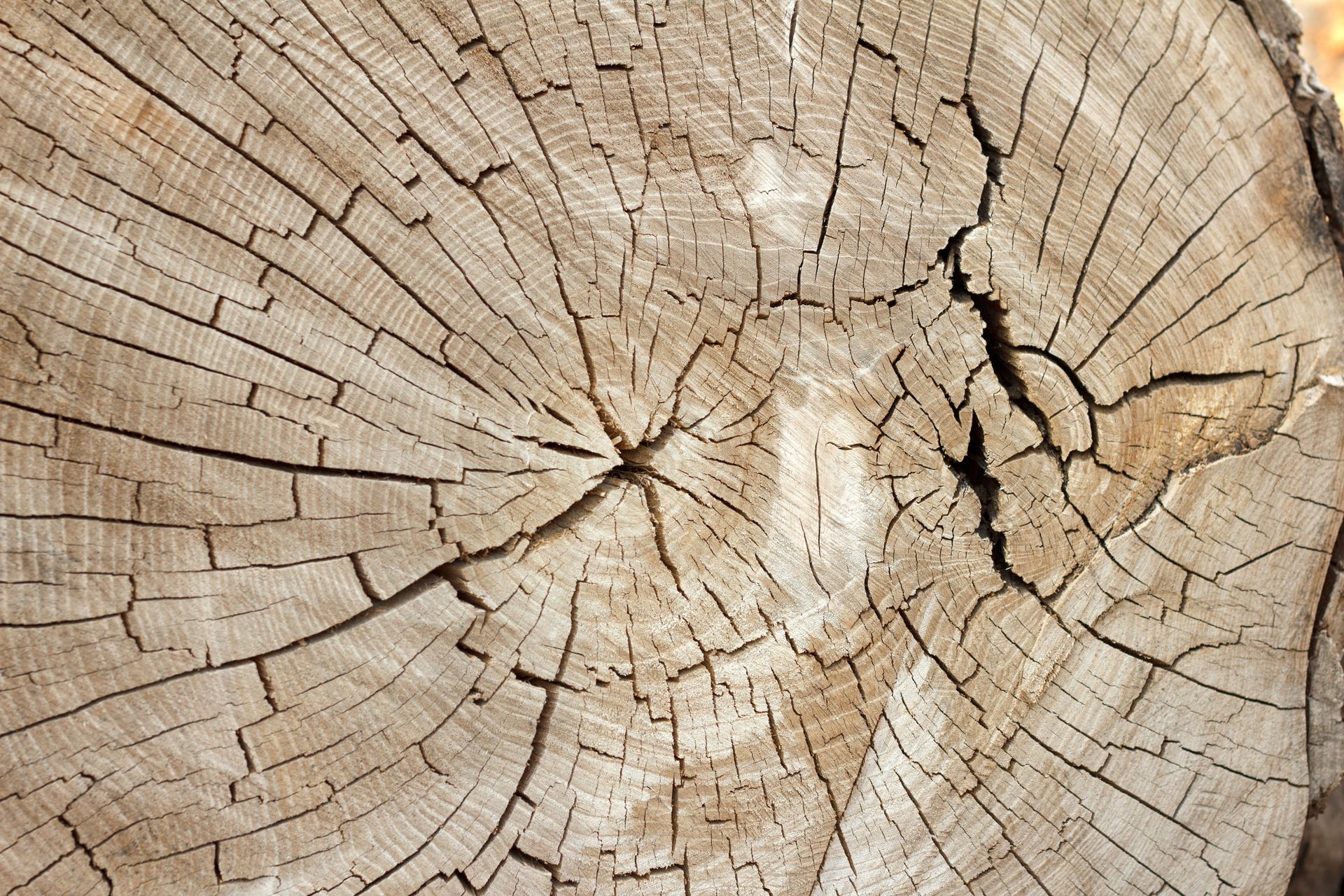
Learn why hardwood stump removal is often more difficult than softwood stump grinding. SD Stumps explains stump types and professional removal methods in San Diego.
Learn how to prepare your yard for stump removal in San Diego. Follow these steps for safe, efficient stump grinding and better results.

If you’ve recently had a tree removed — or you’ve had a stump sitting in your yard for years — you may be wondering: When is the best time to get rid of it? In San Diego, stump removal isn’t limited to one season, but timing can absolutely impact how easy, efficient, and cost-effective the job is . Understanding when to schedule stump grinding can help you avoid delays, reduce complications, and get better results. The Short Answer: You Can Remove Stumps Year-Round — But Timing Still Matters Thanks to San Diego’s mild climate, stump grinding can be done any time of year. Unlike colder regions, you don’t have to worry about frozen ground or seasonal shutdowns. That said, not all conditions are equal. Soil moisture, landscaping plans, and property use all play a role in determining the best time to grind stumps for your specific situation. Spring: Ideal for Landscaping and Fresh Starts Spring is one of the most popular times for stump removal — and for good reason. As homeowners start planning landscaping projects, leftover stumps quickly become obstacles. Removing them early in the season allows you to: • Prep your yard for new grass, plants, or hardscaping • Eliminate tripping hazards before outdoor activity increases • Prevent new growth from developing around old stumps If you’re planning a yard upgrade, early stump removal makes everything else easier . Summer: Fast, Dry, and Efficient Summer in San Diego brings dry soil conditions, which can make stump grinding more efficient in many cases. Dry ground typically means: • Cleaner grinding process • Easier access for equipment • Faster job completion However, summer is also a busy season. Waiting too long can mean longer scheduling times, especially if you’re trying to coordinate with other outdoor projects. Fall: A Smart Time to Get Ahead Fall is often overlooked, but it’s one of the most strategic times for seasonal stump removal in San Diego. Why? Because it allows homeowners to: • Clear out unwanted stumps before winter rains • Prepare soil for future planting • Avoid peak-season scheduling delays Taking care of stump removal in the fall means your yard is already in great shape heading into the next year. Winter: Best for Preventing Problems Even though San Diego winters are mild, this season can expose issues that stumps cause. Leftover stumps can: • Retain moisture and contribute to decay • Attract pests like termites, ants, and beetles • Create soft or unstable ground areas Removing stumps during winter helps prevent these problems from getting worse — especially before spring growth begins. The Bigger Factor: What Happens If You Wait Too Long While any season can work, delaying stump removal often creates more problems than it solves . Over time, stumps can: • Start to rot and weaken surrounding soil • Become a breeding ground for pests • Send up new shoots or regrowth • Get harder to remove cleanly In many cases, what starts as a simple grinding job can become more involved if the stump is left untreated for too long. Timing Your Stump Removal Around Your Property Goals The “best time” ultimately depends on what you want to do with your yard. If you’re planning to: • Install new landscaping → Remove stumps early (spring) • Improve yard usability → Remove as soon as possible • Prevent pests or decay → Don’t wait • Prep for future projects → Fall is ideal Stump grinding is often a first step , not the last — so timing it correctly can make everything else smoother. Why Professional Stump Grinding Makes the Difference No matter the time of year, proper equipment and experience are what ensure the job is done right. Professional stump grinding: • Removes the stump below ground level • Minimizes disruption to surrounding areas • Prevents regrowth • Leaves your yard ready for whatever comes next It’s a fast, effective solution compared to letting a stump naturally decompose — which can take years. Final Thoughts In San Diego, there’s no bad time for stump removal — but there are definitely smarter times. If you’re thinking about improving your yard, preventing future issues, or simply getting rid of an eyesore, the best time to act is before the stump creates more work for you later . At SD Stumps, we help homeowners handle stump removal quickly, cleanly, and with the right approach for the season and the property.
Learn what affects stump grinding cost in San Diego, average stump removal pricing, and how to plan your project with SD Stumps.

Learn how to safely remove tree stumps in San Diego. Expert tips, professional stump grinding, and yard safety for homeowners and landscapers.